Trading Blog

Insights, strategies, and guides to help you trade smarter.

What Happens When a Short Position Is Borrowed?
Trading

What Happens When a Short Position Is Borrowed?

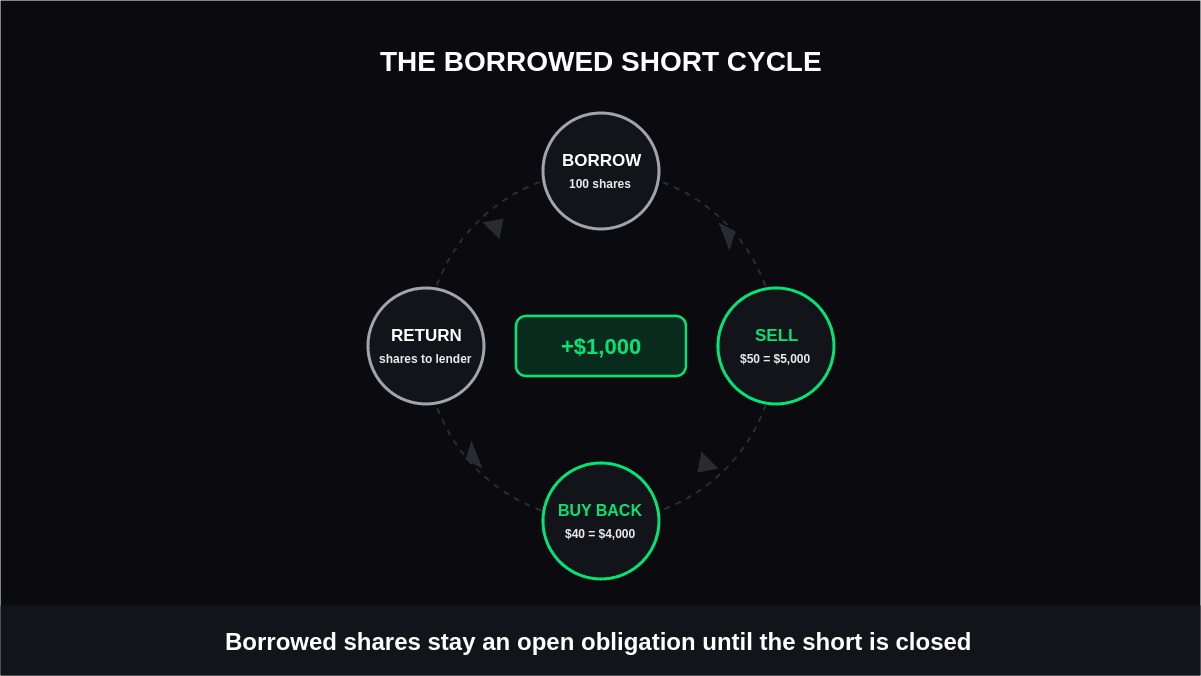
A short position is created when a trader sells a security they do not own, typically after arranging to borrow the shares needed for delivery. The borrowed shares allow the trader to sell first and potentially buy them back later at a lower price. The process involves more than simply selling a stock, because the borrowed security remains part of the transaction until the short is closed.

September 29, 2026
Read more
How to Analyze Winning and Losing Trades Separately
Trading

How to Analyze Winning and Losing Trades Separately

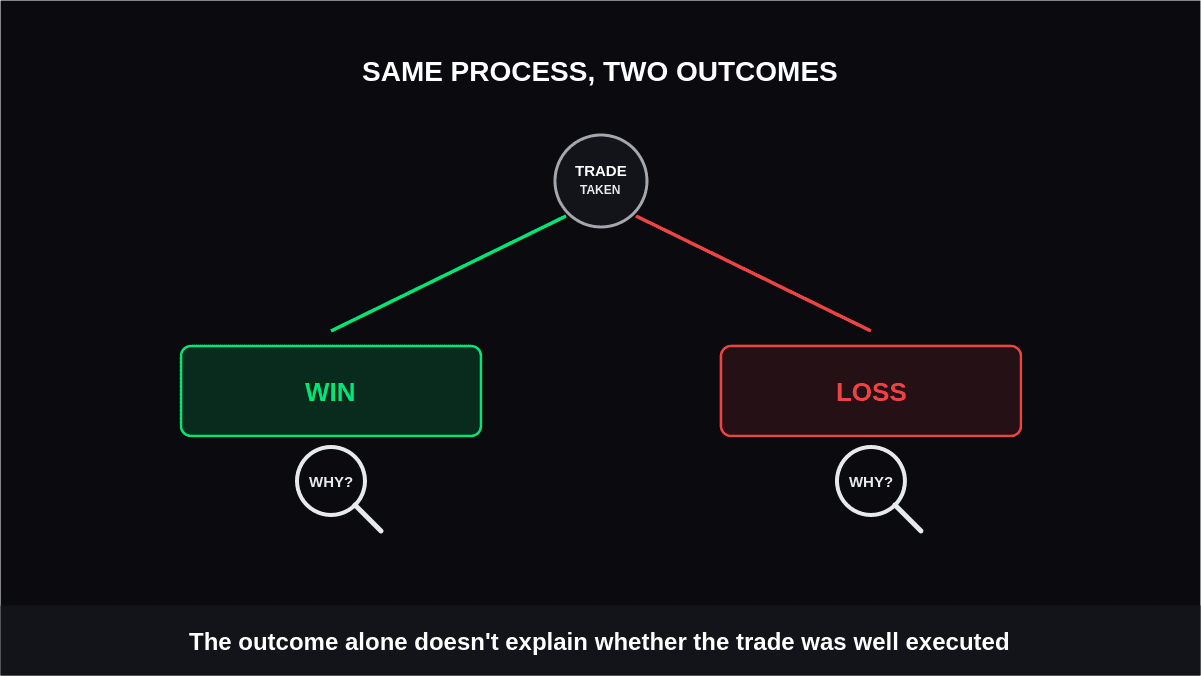
A trade can make money for the wrong reasons or lose money despite following a sound process. That is why traders need to Analyze Winning and Losing Trades separately instead of judging every position only by its final profit or loss. Looking at each outcome on its own can reveal different patterns in execution, timing, market conditions, and decision-making.

September 29, 2026
Read more
How to Analyze Trading Performance by Trade Duration
Trading

How to Analyze Trading Performance by Trade Duration

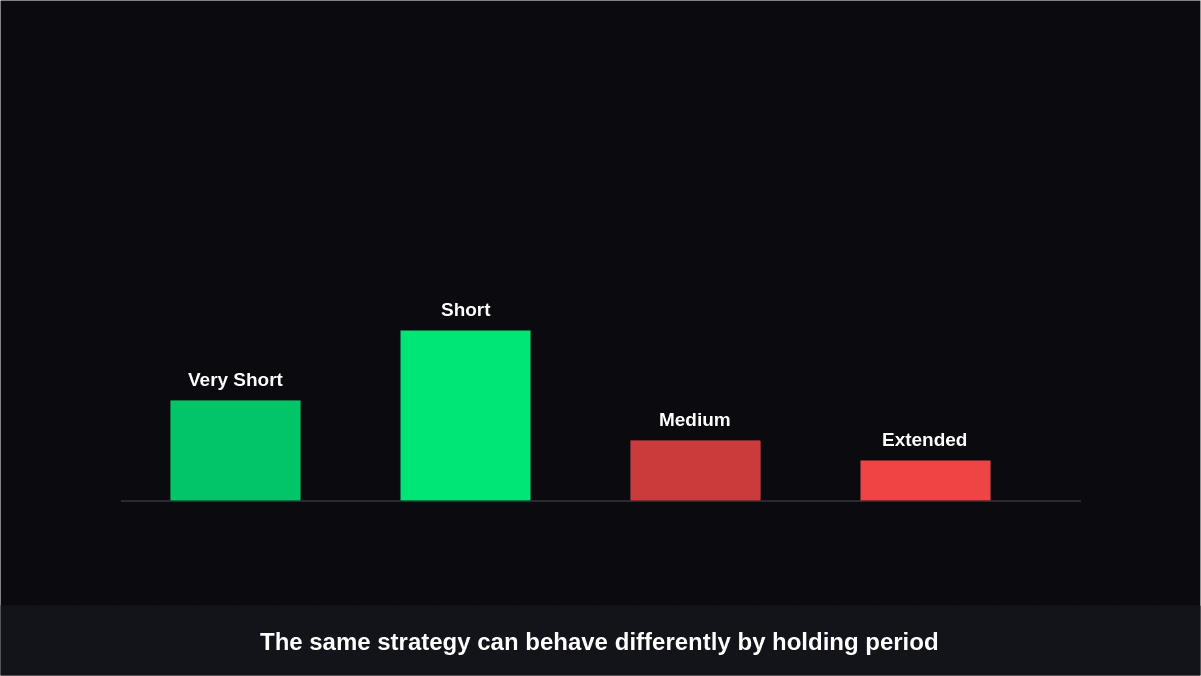
To Analyze Trading Performance effectively, traders need to look beyond total profit or the number of winning trades. The amount of time a position remains open can reveal important patterns about how a strategy behaves. A setup may produce strong results during short holding periods but perform poorly when trades are kept open longer.

September 28, 2026
Read more
How to Compare Trading Results Across Different Periods
Trading

How to Compare Trading Results Across Different Periods

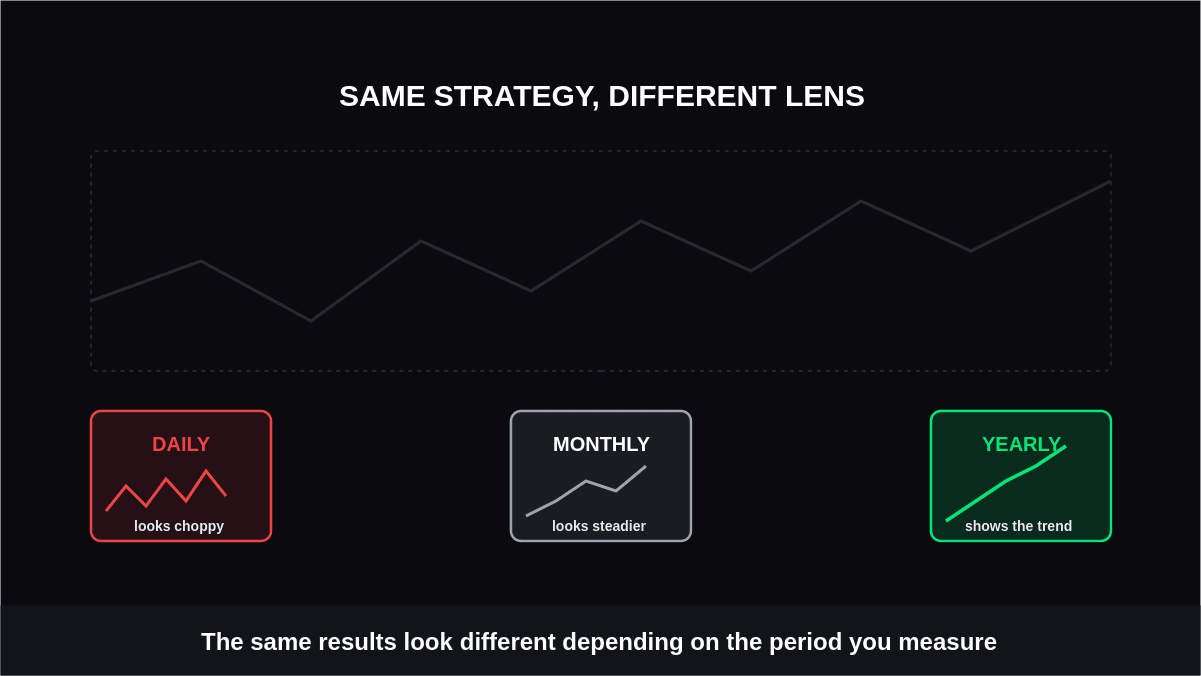
Trading results can look very different depending on the period being measured. A strategy may produce strong returns over one month but show weaker performance over a full year because market conditions, volatility, trade frequency, and risk exposure change over time. Looking at only one period can therefore create an incomplete picture of how a strategy has actually performed.

September 28, 2026
Read more
Slippage in Trading: Causes, Measurement, and Prevention
Trading

Slippage in Trading: Causes, Measurement, and Prevention

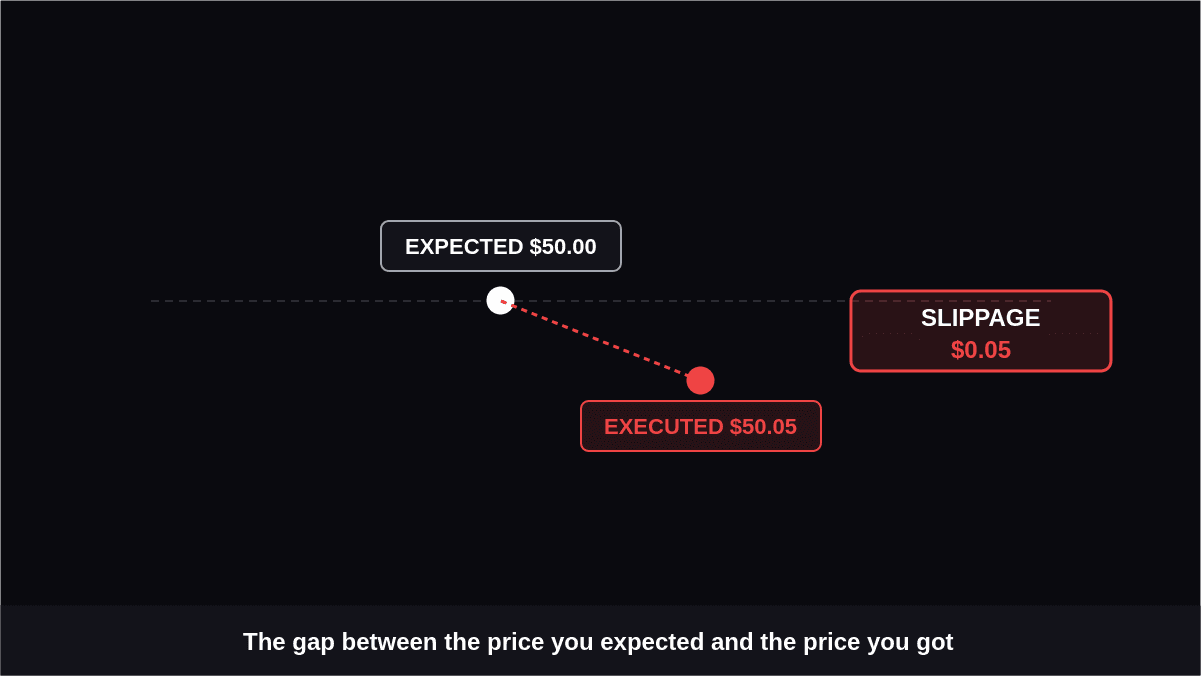
Slippage in trading occurs when an order is executed at a different price than the one a trader expected. It can happen when markets move quickly, available liquidity is limited, or there are not enough orders at the requested price. Even a small difference between the expected and executed price can affect a trade's risk and return, especially for active traders placing frequent orders.

September 27, 2026
Read more
Divergence Indicator: How to Identify Potential Market Reversals
Trading

Divergence Indicator: How to Identify Potential Market Reversals

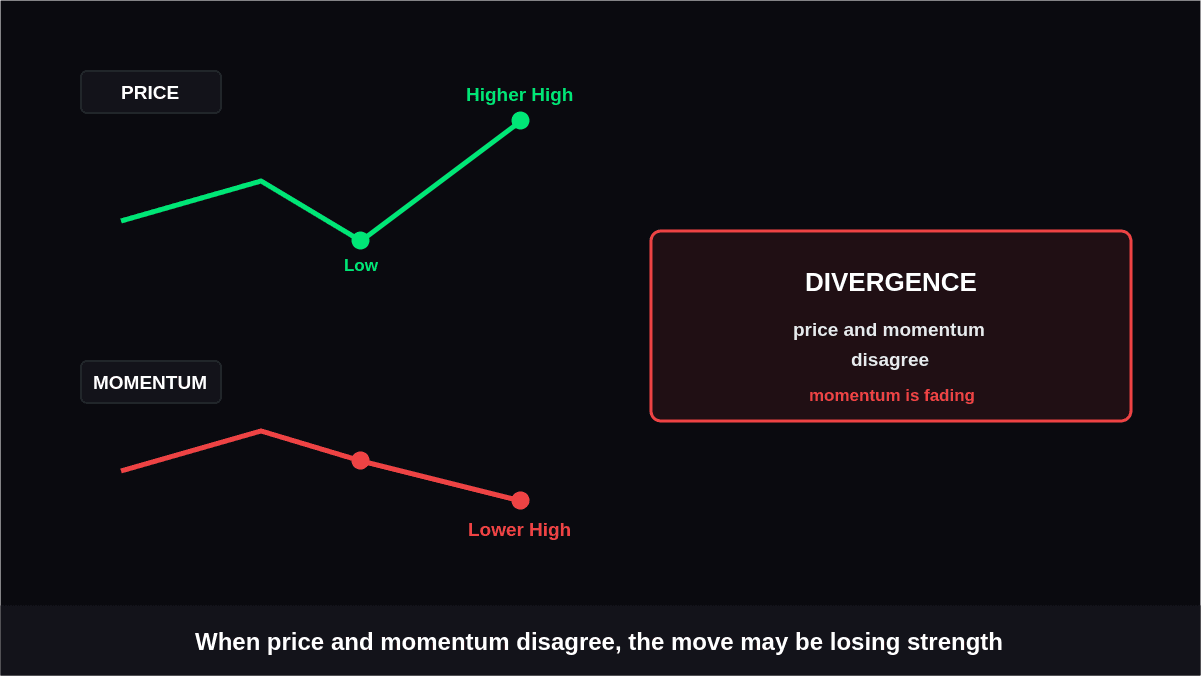
Divergence indicator is used by traders as a tool which helps them to evaluate the relation between price and momentum in order to discover scenarios where the market is becoming weaker. Unlike trend following, divergence trading uses both price action and momentum to see the contradiction between them.

September 27, 2026
Read more
Previous

Page 2 of 26

Next